Surfboard Shapes 101: Understanding the Most Common Surfboard Designs
Walk into any surf shop, and you’ll see rows of boards with completely different outlines, widths, and lengths. To a beginner—or even an intermediate surfer trying to choose their next board—it can be confusing. Why are some boards short and narrow while others are wide, thick, or over nine feet long? The answer comes down to design. Every surfboard shape is built for a specific type of wave and style of surfing. Understanding the basics of common surfboard shapes can help you pick the right board for the conditions you surf most often. Here’s a breakdown of the most common surfboard designs and what they’re best suited for.
High-Performance Shortboards
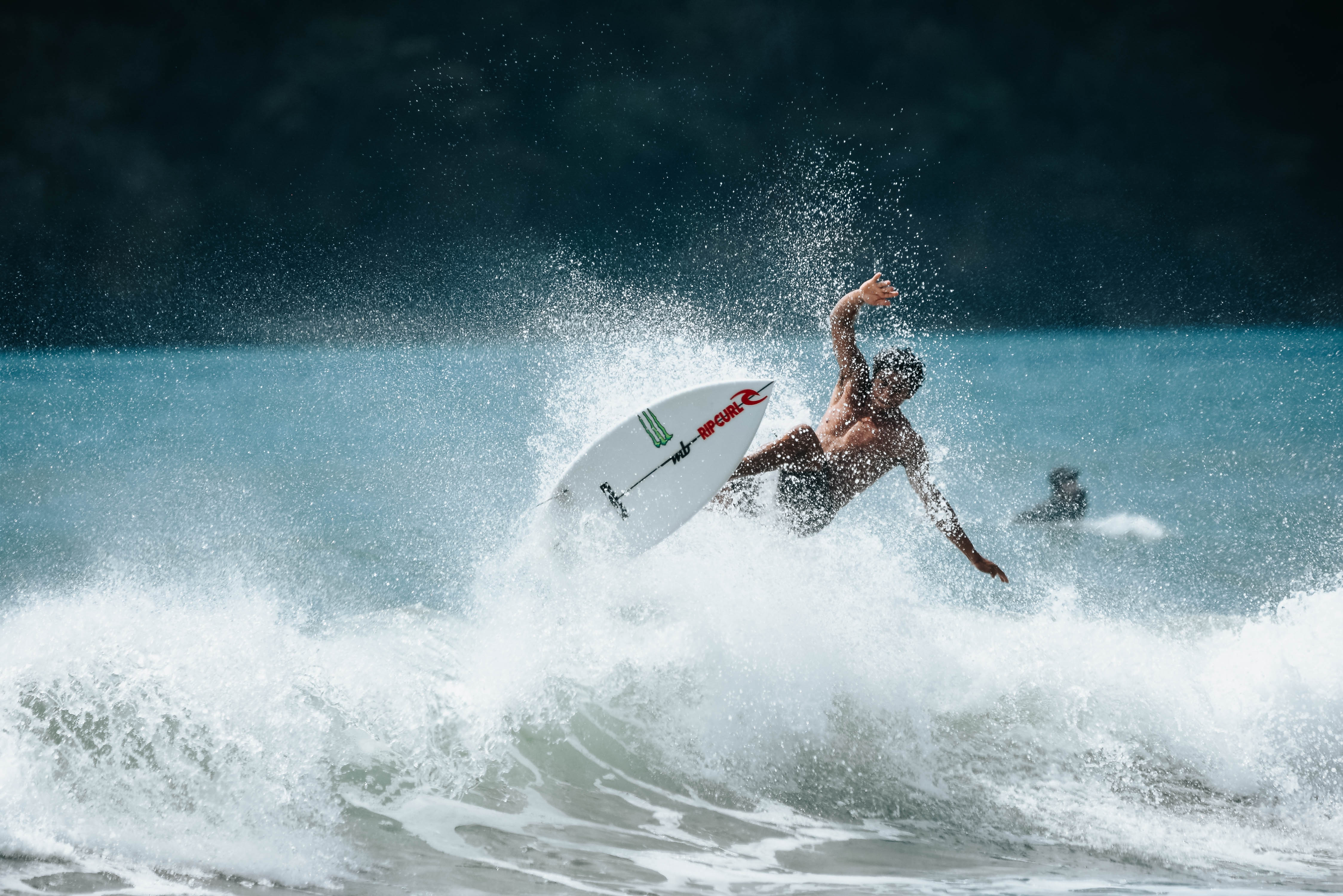
High-performance shortboards are what most people picture when they think of modern surfing. These boards are typically between 5’8” and 6’4”, with a narrow outline, pulled-in nose and tail, and typically a thruster fin setup. They’re shaped to fit into the steepest part of the wave and designed for speed, responsiveness, and progressive maneuvers. Because of their narrow shape and rocker (the curve from nose to tail), they perform best in waves with power and shape—think steep beach breaks, reef breaks, or point breaks with a clean face.
These boards allow surfers to drive hard through turns, hit vertical sections, and generate speed down the line. The trade-off is that they require strong paddling ability and proper wave positioning. In small or weak surf, they can feel slow and difficult to catch waves with.
Best for: Intermediate to advanced surfers in chest-high to overhead waves.
Grovelers
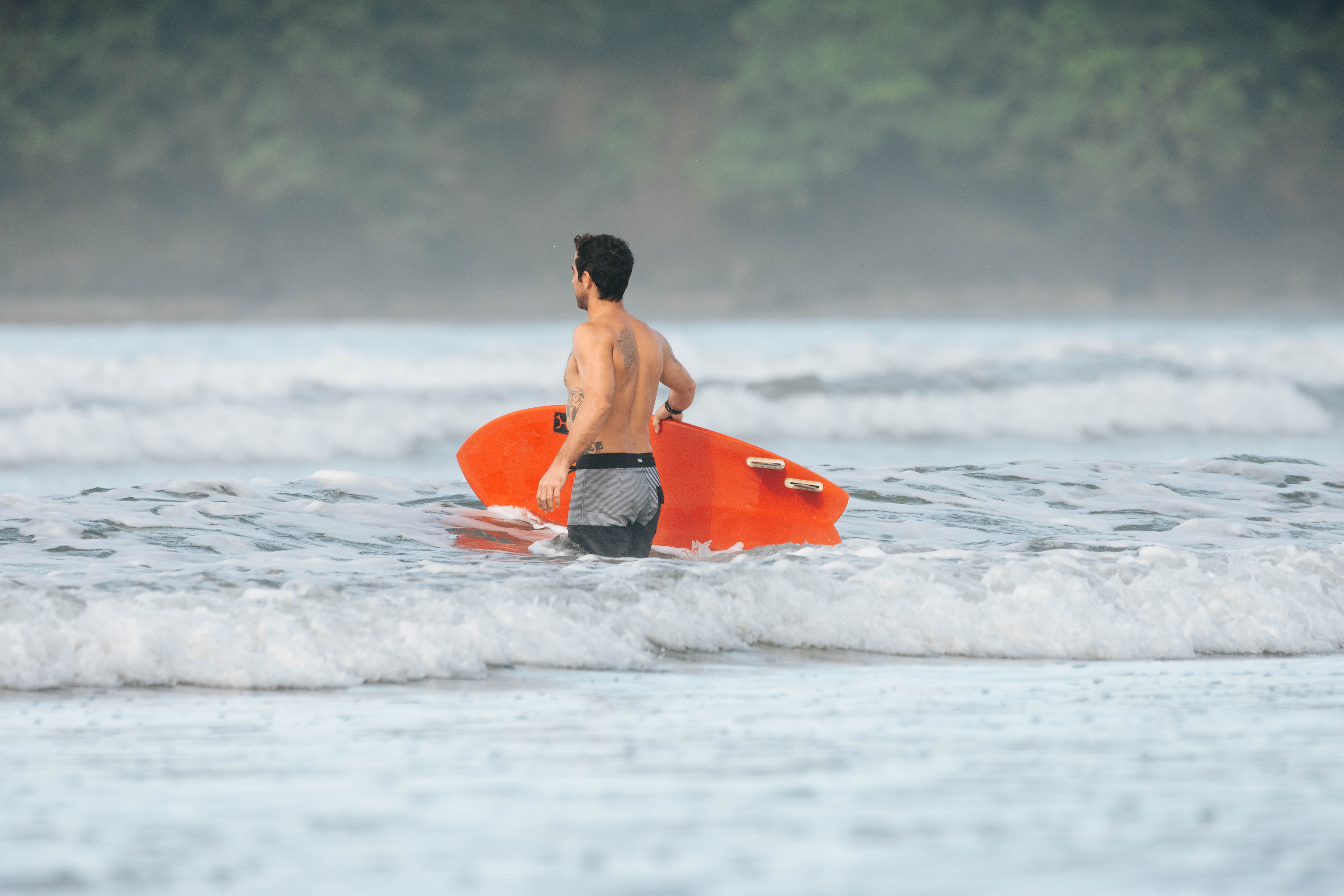
Grovelers are shortboards built specifically for small or weak waves. They’re typically shorter than performance shortboards but noticeably wider, thicker, and flatter. The extra volume helps with paddling and wave catching, while the wider outline generates speed even when the wave doesn’t provide much power. Many grovelers have a fuller nose and a wider swallow or a squashed tail.
They’re a great option for everyday surfing in places where the waves are often small or soft. Instead of struggling with a high-performance shortboard, a groveler helps you keep the session fun when conditions aren’t perfect.
Best for: Small surf, weak waves, and surfers who want more wave count.
Fish
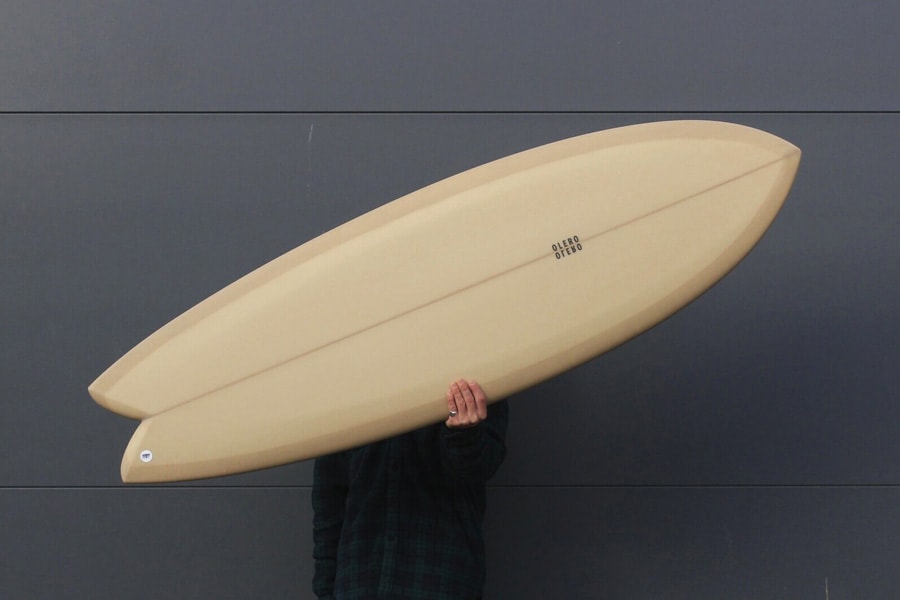
The fish is one of the most recognizable surfboard shapes thanks to its wide outline and swallow tail. Originally developed in San Diego by Steve Lis in the 1970s for small waves, modern fish designs have evolved into a versatile alternative to standard shortboards. Fish boards are usually short, wide, and relatively flat, which makes them fast across slower sections of the wave. Traditional fish boards are twin fins, which give them a looser, skate-like feel compared to the more controlled thruster setup. While they excel in shoulder-high or smaller surf and are especially fun on softer point breaks and mellow beach breaks, many surfers trust them in much larger surf.
Best for: Small to medium waves and surfers who want speed and flow.
Egg Shapes / Mid Lengths
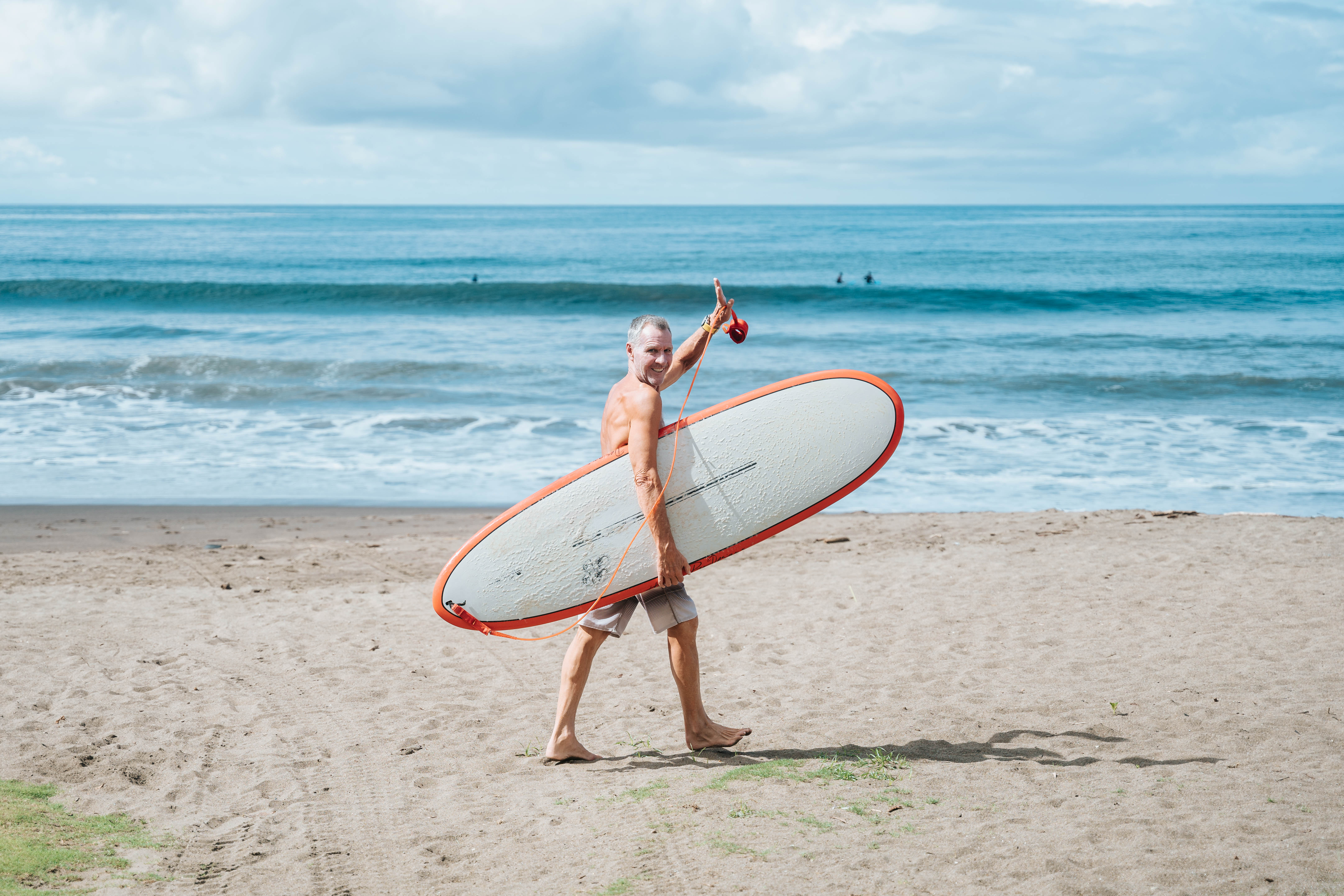
Egg boards sit somewhere between a shortboard and a longboard. As the name suggests, they have a rounded, egg-like outline, usually with a wider nose and tail and a smooth, continuous curve. Most eggs fall between 6’6” and 8’0”, offering more paddling power than shortboards while still remaining maneuverable. They’re popular among surfers looking for a board that’s versatile and easy to ride. Eggs glide into waves easily, trim well, and still allow for turns without the length of a traditional longboard.
Best for: Intermediate surfers or anyone looking for a smooth, versatile mid-length board.
Longboards
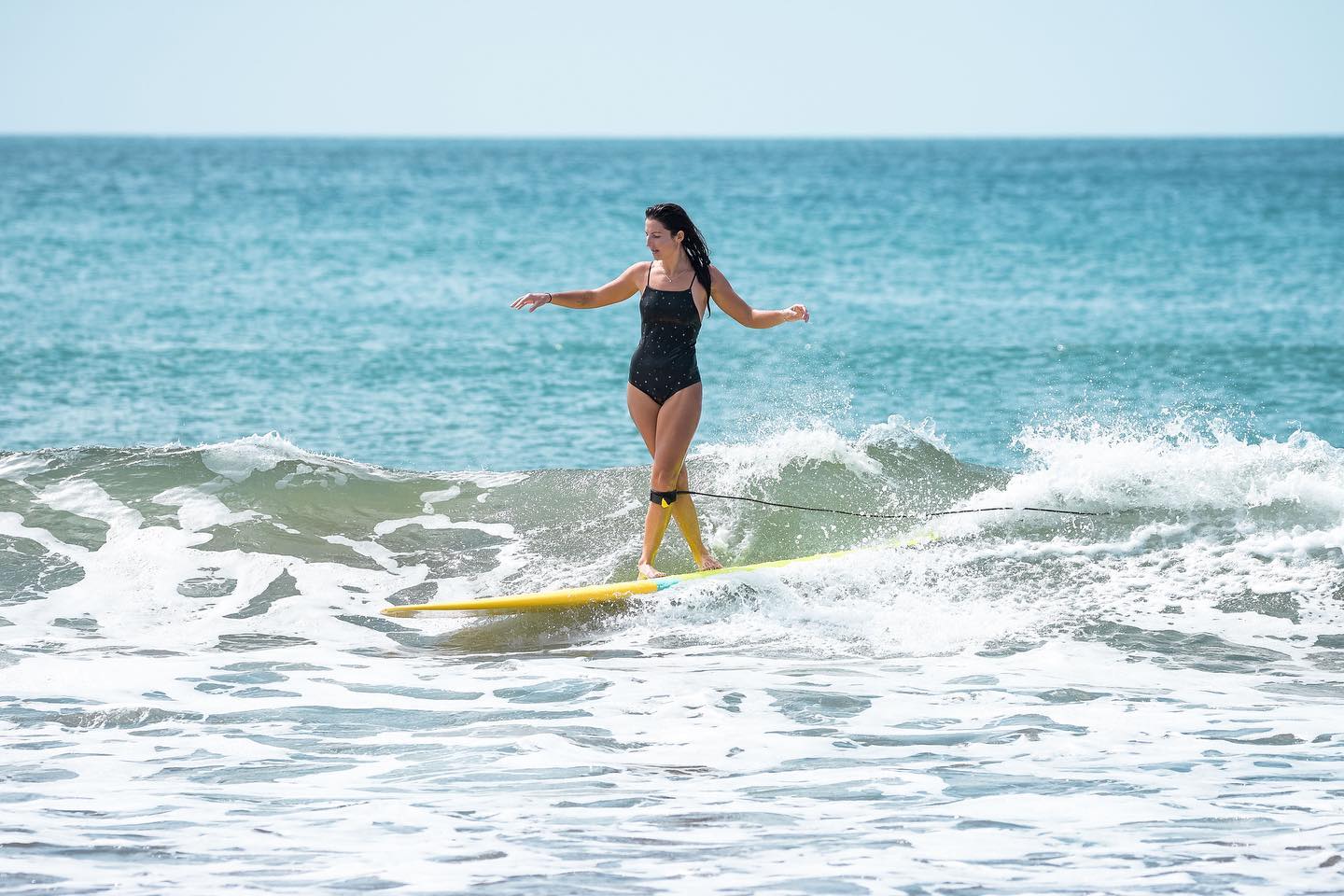
Longboards are the classic surfboard design that dates back to surfing’s early days. Typically 9 feet or longer, they feature a wide outline, full rails, and a large single fin or 2+1 fin setup. The length and volume make them incredibly stable and easy to paddle, which helps surfers catch waves early. Once on the wave, longboards excel at smooth trimming and classic surfing styles like cross-stepping and nose riding. Because they glide so well, longboards work particularly well in small, clean waves where generating speed on shorter boards can be difficult. However, skilled longboarders can ride them in a variety of conditions.
Best for: Small to medium waves, beginners, and surfers who enjoy a traditional style.
Step-Up Boards
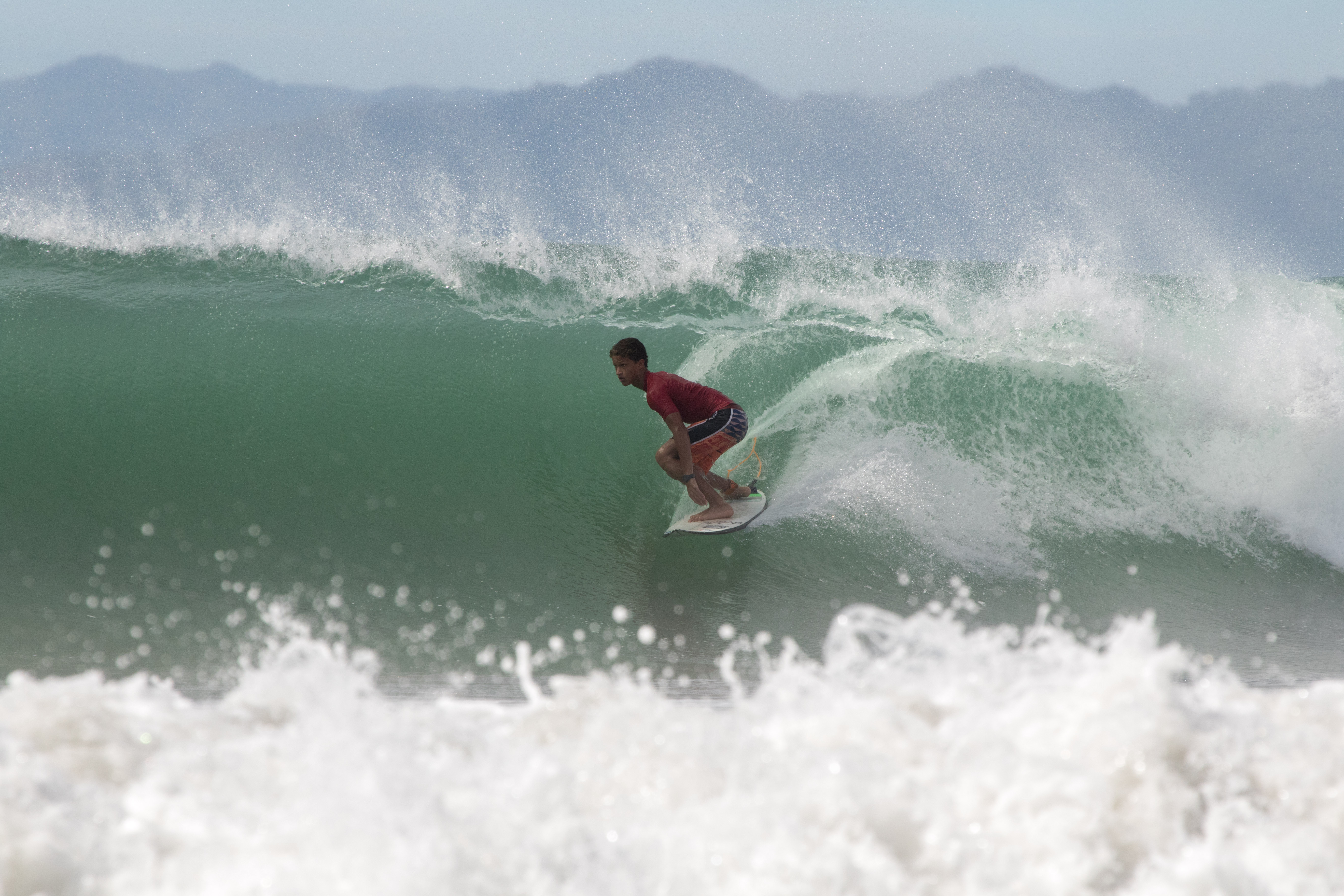
A step-up is essentially a bigger version of a high-performance shortboard designed for larger or more powerful surf. These boards are usually 2 to 6 inches longer than a standard shortboard, with a slightly narrower outline and more rocker. The extra length provides additional paddling power, helping surfers get into waves earlier, while the refined shape maintains control at higher speeds.
Step-ups are commonly used when waves start getting well overhead but don’t yet require a full gun. Many surfers keep a step-up in their quiver for days when the swell jumps, and their everyday shortboard starts to feel under-gunned.
Best for: Overhead waves and powerful surf.
Big Wave Guns
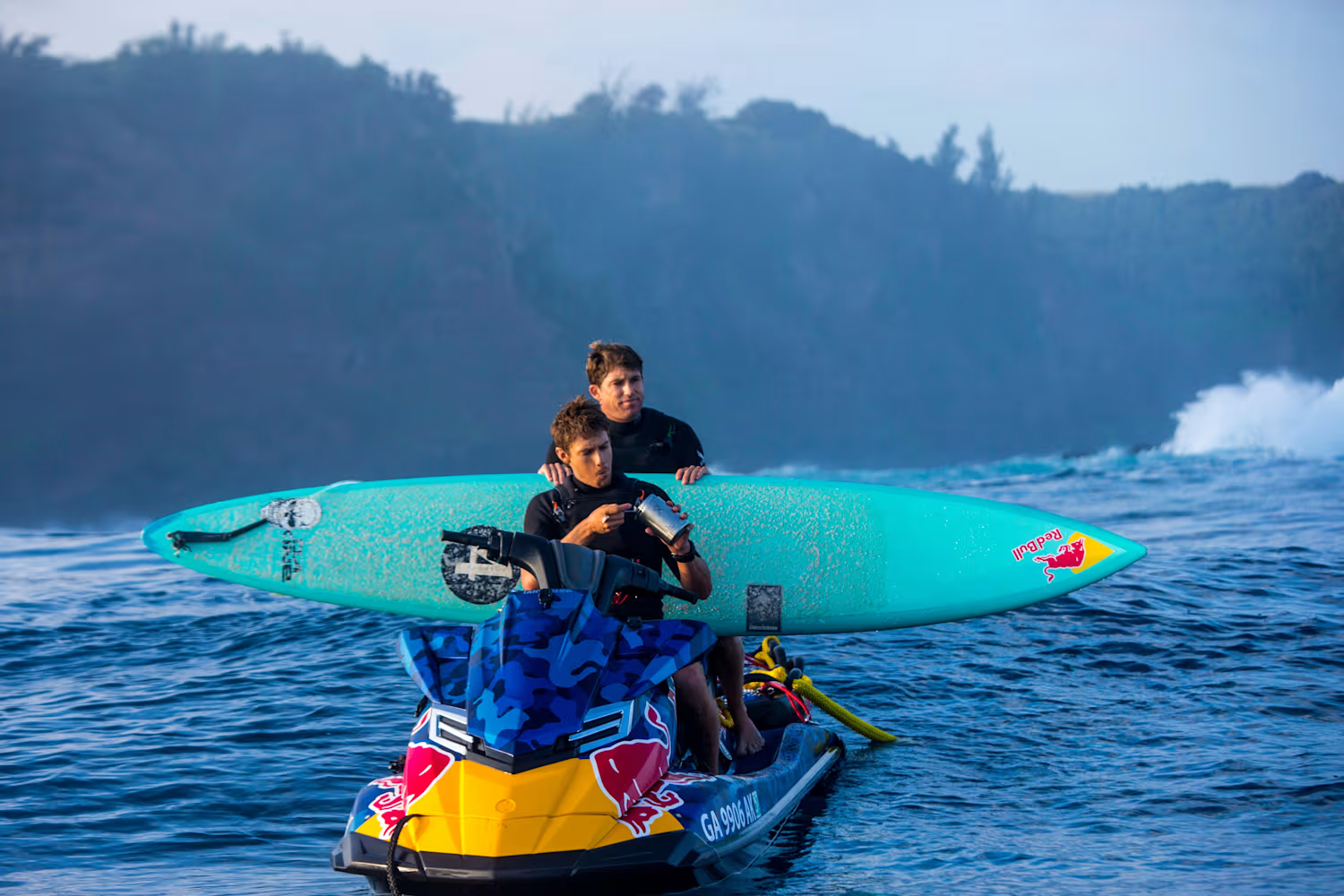
At the opposite end of the spectrum from longboards are guns, boards built specifically for big waves. Guns are long—often between 7’0” and 10’0”—but much narrower and more streamlined than longboards. They have a pointed nose, pulled-in tail, and significant rocker to handle steep, powerful waves. The extra length helps surfers paddle into fast-moving swells earlier, while the narrow shape provides control at high speeds. These boards are designed for serious surf conditions, such as outer reefs or big-wave breaks, where stability and hold are critical.
Best for: Experienced surfers riding large, powerful waves.
Choosing the Right Board
The “best” surfboard shape depends on three main factors:
1. The waves you surf most often
Small, mushy beach breaks require very different boards than fast reef breaks or overhead point waves.
2. Your skill level
Beginners benefit from more volume and stability, while experienced surfers can handle smaller, more performance-oriented boards.
3. Your style of surfing
Some surfers prioritize progressive maneuvers, while others prefer smooth carving or classic longboard flow.
Many surfers eventually build a quiver of boards that cover a range of conditions. A typical quiver might include a groveler for small days, a performance shortboard for good waves, and a mid-length or longboard for relaxed sessions.
Understanding the fundamentals of surfboard design makes choosing your next board much easier. And if you’re planning a trip to Panama, Playa Venao’s consistent beach break works well with a variety of these shapes, and guests at Beach Break Surf Camp have access to a robust selection of boards to match the day’s conditions.