Surf Camp vs DIY Surf Trip: What You Actually Get for Your Money
A surf trip sounds simple. Book a flight. Find a place to stay. Rent a board. Paddle out. And yes, you can do Playa Venao that way. Plenty of people do. But there’s a difference between surfing on vacation and building real consistency while you’re there. That difference usually comes down to structure. Most DIY trips start with good intentions. You check the forecast. You rent something that looks about right. You paddle out where other people are sitting. You hope it lines up. Sometimes it does. Sometimes it doesn’t.
The Hidden Cost of Figuring It Out Yourself
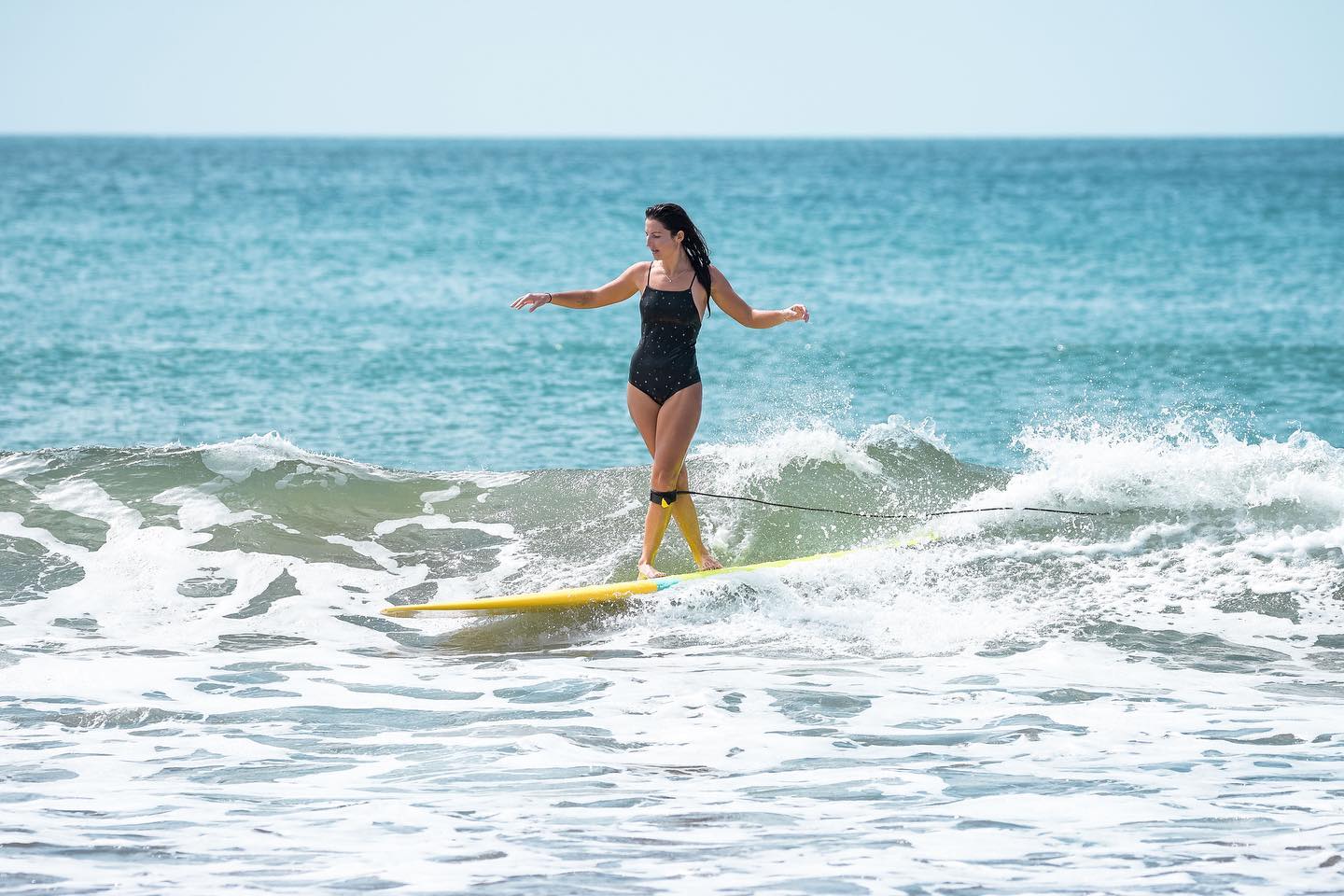
On paper, a DIY surf trip looks less expensive. You control your accommodation. You surf when you want. You book a lesson if you want tips. What doesn’t show up in the comparison is inefficiency. Time spent surfing the wrong tide, sitting a little too deep, choosing a board that doesn’t match your skill level, and repeating the same mistake without realizing it.
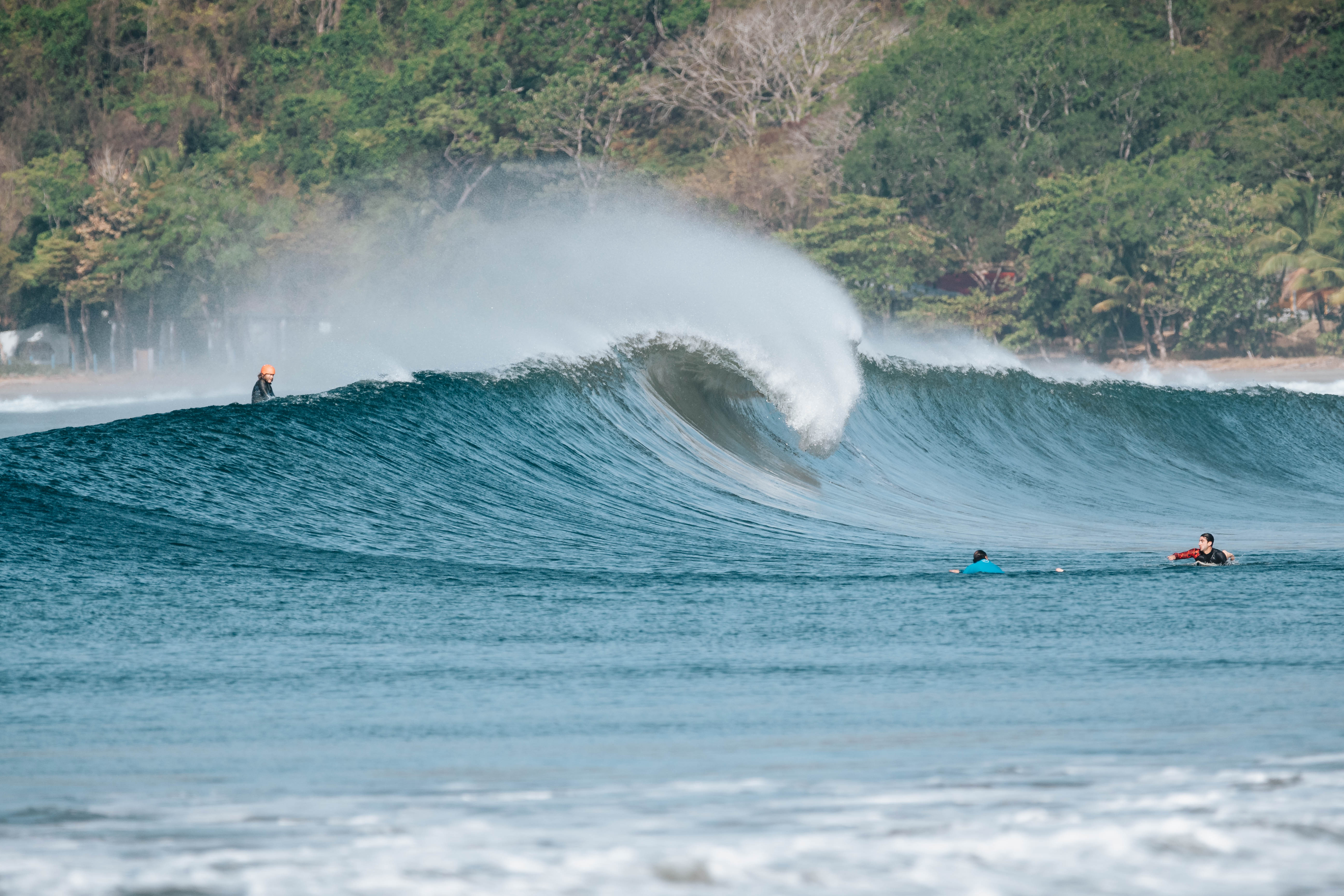
Playa Venao is a beach break. Sandbars shift. Peaks move. The section that worked yesterday might not work today. If you don’t understand how the wave changes, you can easily burn two or three sessions just getting oriented. You’ll still catch waves. You’ll still enjoy the water. But you won’t progress as rapidly.
Why a Surf Camp Changes the Experience
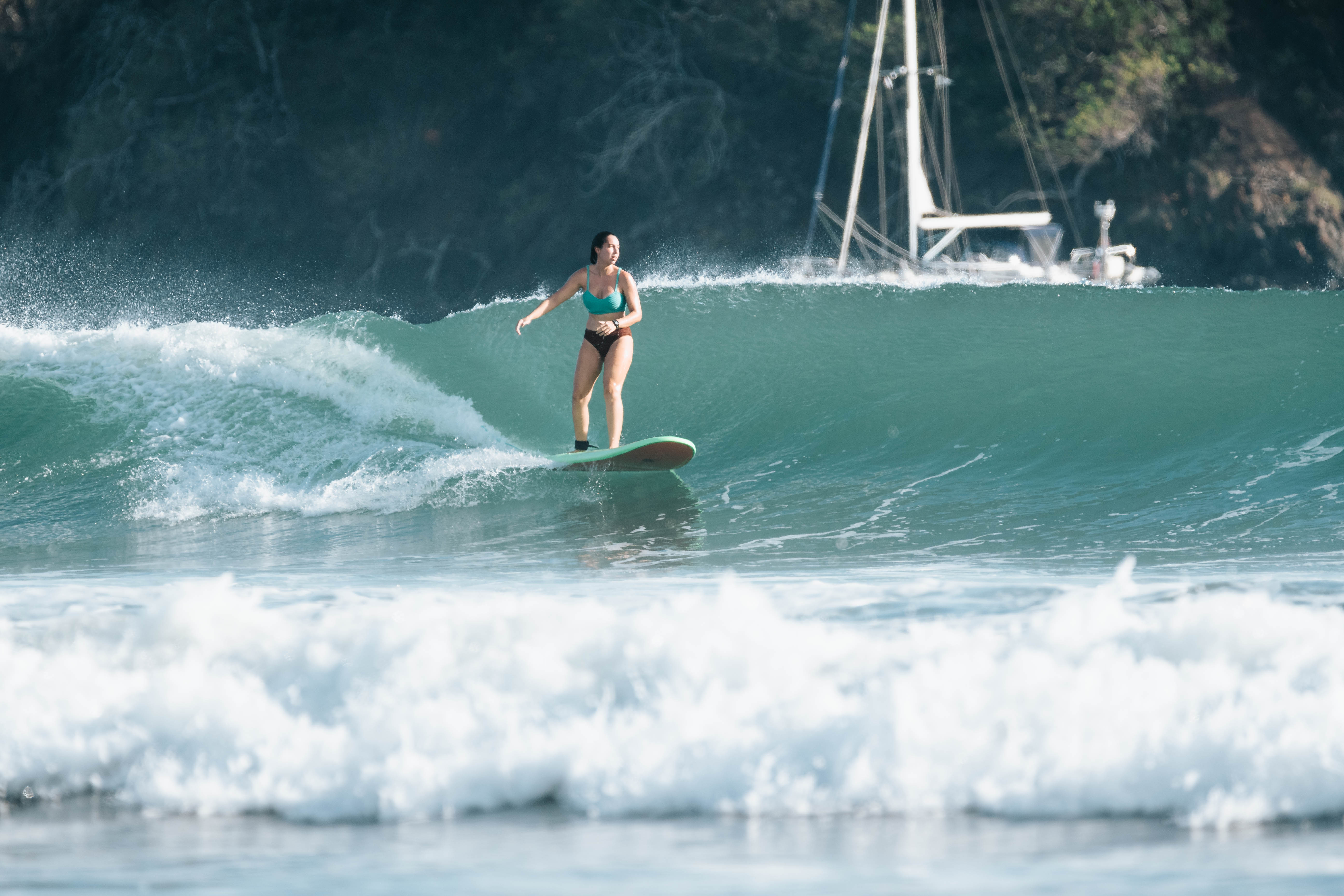
A surf camp removes a lot of the guesswork. Instead of guessing what to work on, you’re told directly. Instead of paddling around looking for the right peak, you’re positioned where the wave is actually breaking. Instead of riding whatever board is available, you’re on something chosen for your size, level, and the conditions that day. Progress in surfing isn’t dramatic. It’s incremental. A slightly earlier pop-up. Cleaner paddle mechanics. Better wave selection. When those corrections are repeated day after day, progress becomes noticeable. Without feedback, most surfers repeat the same habits. With feedback, small adjustments start compounding.
Local Knowledge Makes a Difference
In Playa Venao, a few meters left or right can change your whole surf. A slightly lower tide can turn a soft shoulder into a steeper drop. Knowing where to sit and when increases your wave count, and wave count drives improvement. It’s that simple. When sessions are organized around the tide and the peak that’s working, you spend less time paddling and more time riding.
Board Choice Matters
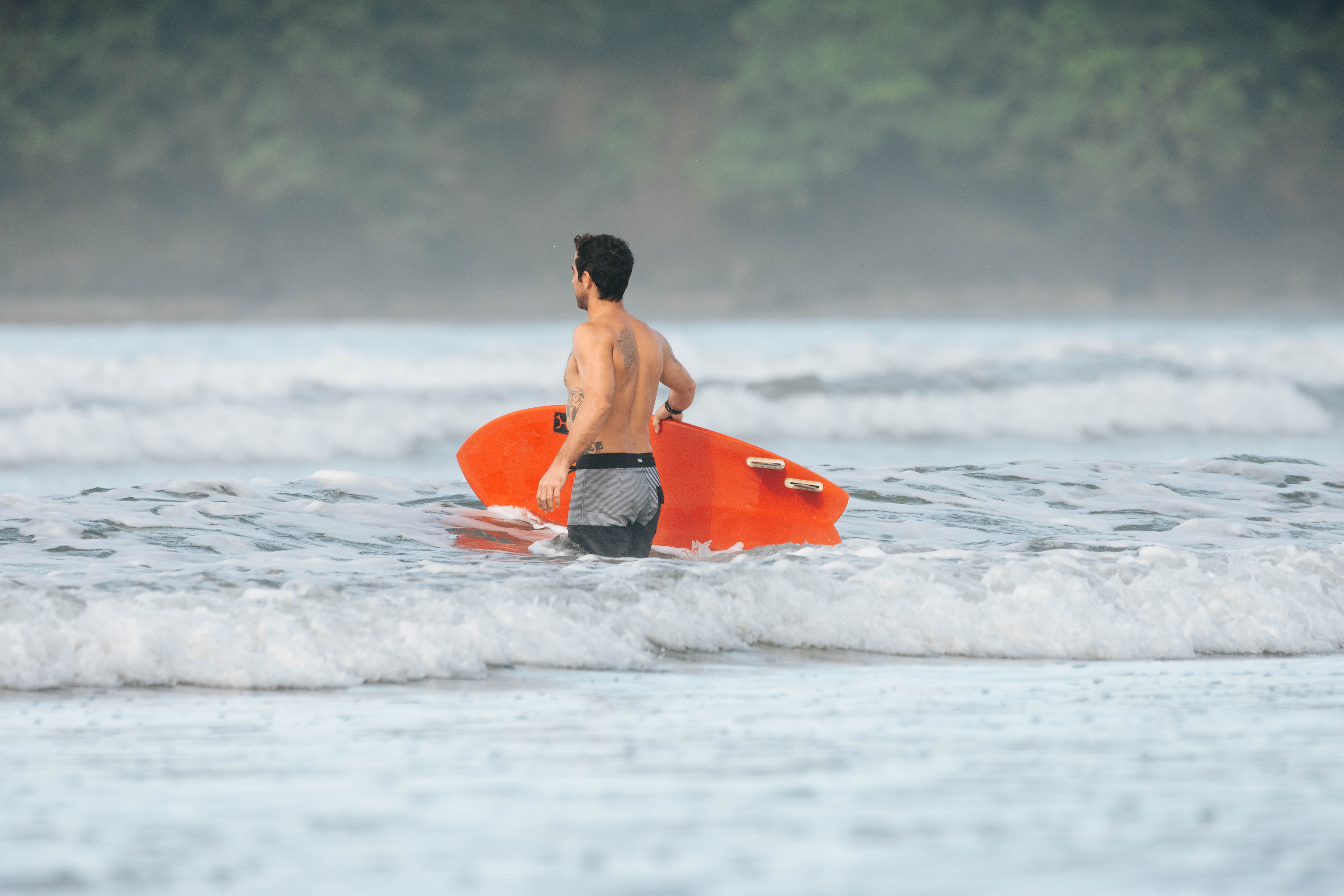
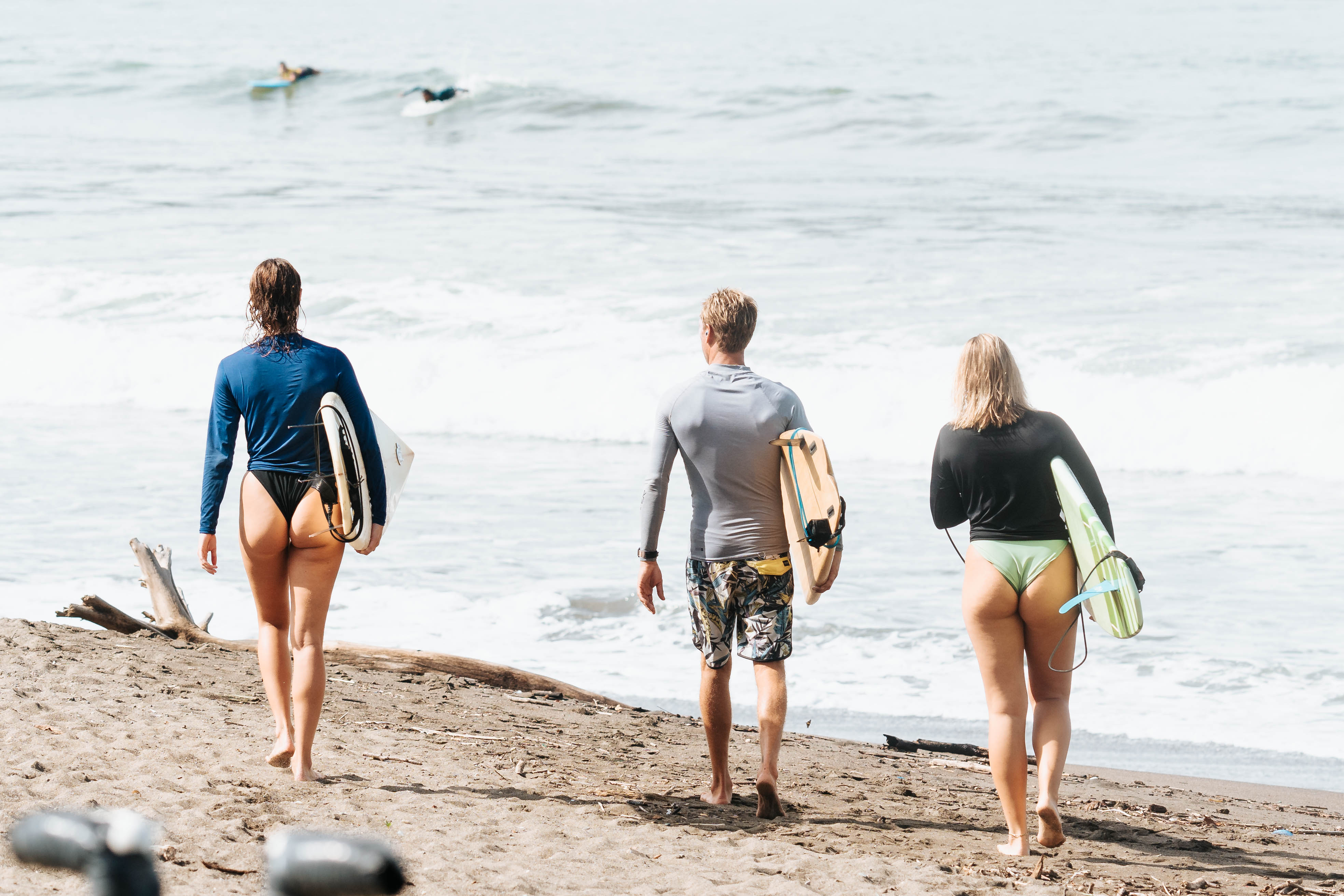
Board choice is critical. Too small and you struggle with entry. Too big and you can’t maneuver. Conditions change daily, and equipment should change with them. At a surf camp, you have options; you can ride a longboard one day, a fish the next, and a shortboard when the waves are pumping.
A DIY trip gives you freedom. You make your own calls, surf when you want, and figure things out as you go. Some sessions will line up perfectly. Others won’t. A structured surf camp reduces that variability. You’re in the right place at the right tide, on the right board. Over the course of a week, that consistency adds up. At a wave like Playa Venao, where the opportunity is there almost every day, how much you improve usually comes down to how intentionally you use your time in the water.